Start with what the pothole is telling you
A pothole is the end of a story. Water got into a crack, sat in the base, and softened it. Traffic pushed the asphalt into that soft spot, the surface broke up, and tires carried the pieces off. The hole you see is the last step.
So before we fill it, we ask why it opened. On most San Antonio lots we walk, either the surface got old and let water through, or the base was weak from day one. Paying for the wrong fix is how people end up patching the same spot every spring.
The three kinds of pothole repair
Cold patch
This is the bag of cold mix from the hardware store, or a crew shoveling it into a hole and driving over it. It's a plug. In our summer heat it softens and pushes out, and a hard downpour gets water under it fast. We call it a holdover, and we say so up front.
Cut-and-fill hot patch
This is the repair most lots and driveways need. We saw-cut the hole back to solid pavement so the edges are square, dig out the loose material, and check the base. If it's soft we add and compact new rock. Then we tack the edges and place hot asphalt in lifts, compacting each one, so the patch bonds to the pavement instead of sitting in it like a cork.
Full-depth repair
When the base has failed, the asphalt on top is riding on mud. Full-depth repair means we remove the asphalt and the bad base over the whole failed area, not just the hole, bring in fresh compacted base, fix the drainage where we can, and repave the section. It costs more up front. It's also the only fix that ends the repeat visits.
Not sure which one your lot needs?
Call (830) 266-0629 for a free quote and a straight answer on patch versus full-depth.
How to tell a patch job from a base problem
Look at the cracks around the hole
A single hole with tight, sound pavement around it is usually a surface failure. A hole sitting in a web of connected cracks, what people call alligator cracking, means the pavement has been flexing over a soft base. Patching that hole is like filling one cavity in a tooth that is cracked all the way through.
Count the repeats, then step on it
If this is the second or third time the same spot has opened, stop patching it. Walk it after a rain. If the pavement gives under your foot, or water pumps up through the cracks when a truck rolls over, the base is soaked no matter how small the hole looks.
See where the water sits
After one of our summer storms, wait an hour and look for puddles. Standing water on asphalt in San Antonio is a slow leak into the base. Potholes show up at the low spots, along edges where the lot meets bare dirt, and under downspouts that dump onto the pavement.
Why San Antonio lots fail from the bottom up
A lot of what we fix comes down to the ground under it. San Antonio sits on expansive clay and caliche. Clay swells when wet and shrinks when dry, and around here it does both every year. Pavement laid over that soil without a proper compacted base moves with it, and asphalt doesn't like to move.
The other half is the sun. Our long hot season bakes the oils out of asphalt and turns it gray and brittle. Brittle asphalt cracks, cracks let in water, and water finds the clay. Heat cycling does more damage here than the freezes do. That is why base and drainage matter more than anything else in this climate. An older lot inside 410 on a thin base and a newer one out past 1604 in Stone Oak or Bulverde on a good one will age very differently under the same traffic. Our asphalt paving work starts with the base.
What pothole repair typically costs in San Antonio
Treat these as typical San Antonio market ranges. The exact number depends on the site, the square footage, the condition of the base, and how easy it is to get a truck in. We give that number after a free quote.
A small hot-mix patch, one or two holes in a driveway, usually lands somewhere in the range of a few hundred dollars. Several patches across a commercial lot are priced by the area repaired and tend to run in the range of five to fifteen dollars per square foot, because each one gets sawed, dug, hauled, and compacted on its own.
Full-depth repair costs more per square foot because you are rebuilding the base. A failed corner of a parking lot can run a few thousand dollars. When most of the lot shows base failure, it's usually time to talk about repaving instead, and that is a different quote. The cheapest pothole bid is often the most expensive one over a few years.
What a proper patch should include
Ask for these steps in any quote. Edges saw-cut square, not left ragged. Loose material removed down to solid base, with fresh rock compacted in where the old base was soft. A tack coat on the cut edges so the new asphalt bonds to the old. Hot mix placed in lifts and compacted with a plate or roller, not a truck tire.
Once the patches have cured, seal coating is the step most owners skip. It puts a layer between the Texas sun and the asphalt and slows the next round of cracks. Our seal coating crew can tell you when a patch is ready to seal over.
Free quote, straight answer
We serve San Antonio and South Texas, and we will tell you if a patch is enough or the base has to come out.
A driveway is a different call than a lot
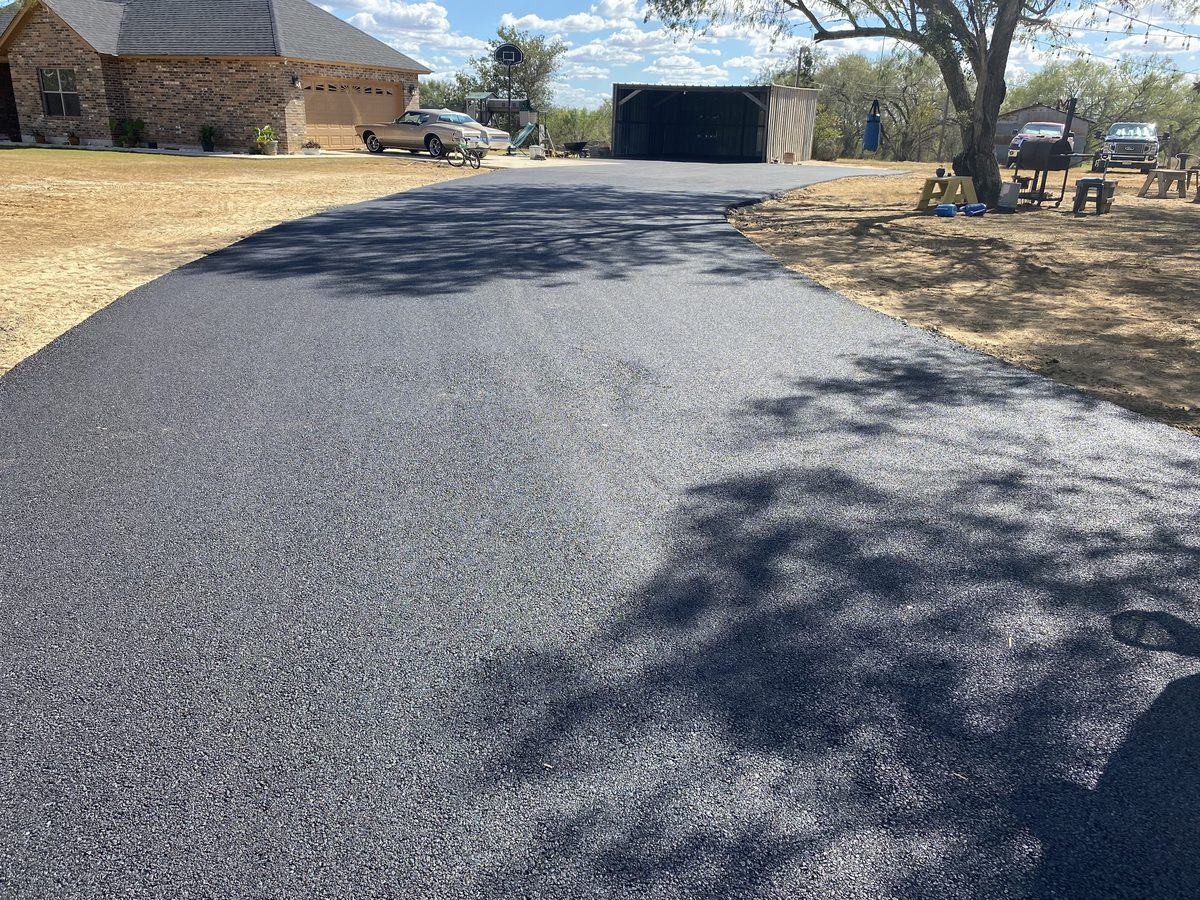
A home driveway in Timberwood Park or Schertz sees light cars, not delivery trucks. One pothole there is usually a surface failure, and a hot patch will hold for years. A commercial lot along the I-35 corridor gets box trucks turning in the same spot every day, and that spot needs a real base or the patch will fail again.
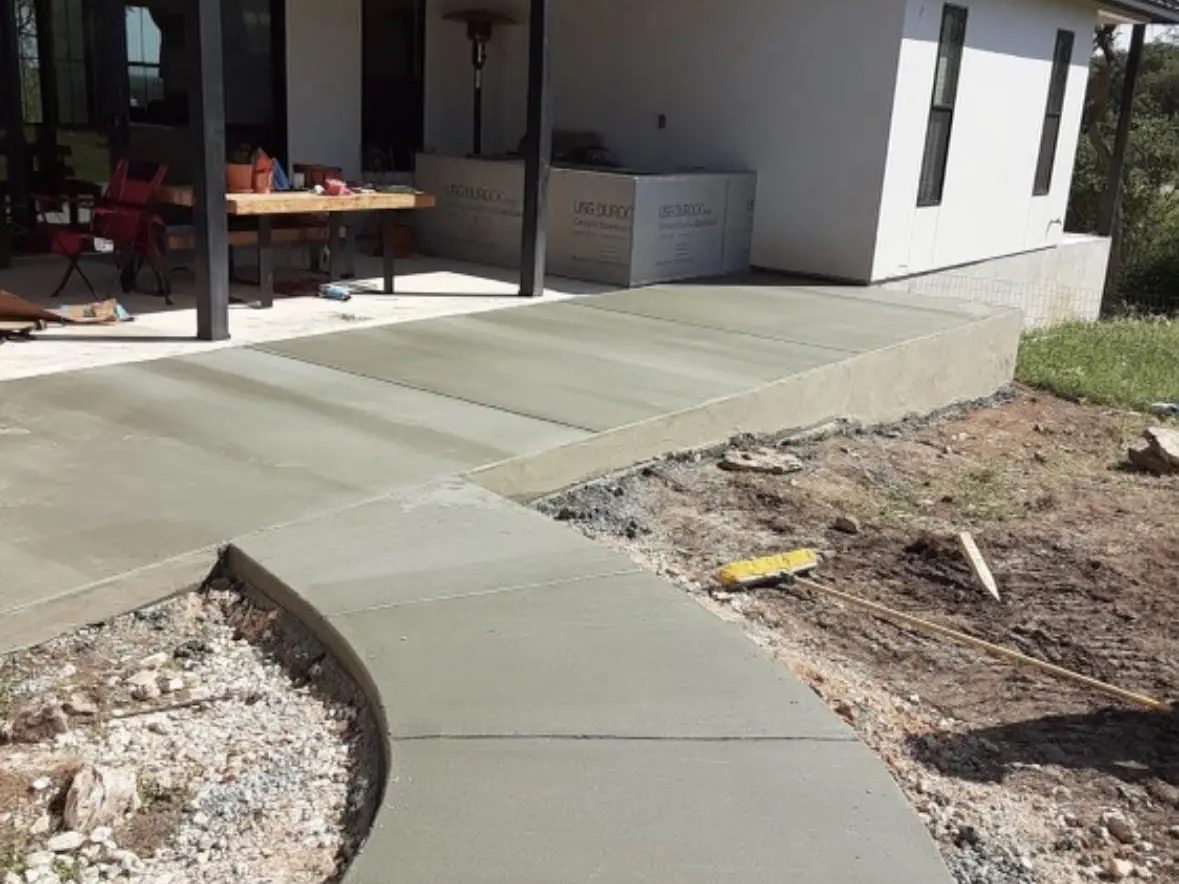
For driveways we also get asked about concrete. If a section keeps failing where cars turn or park, especially at the apron, replacing that section is sometimes the better long-term answer, and our concrete work covers it.